How Does Literature Speak Through Movement and Example?
Marcia Banks Coordinator of English Publications Le Pôle
Le Pôle is pleased to highlight the research of Dr. Petya Ivanova, Webster University, Geneva, whose work bridges literature, embodiment, and education in a fresh way.
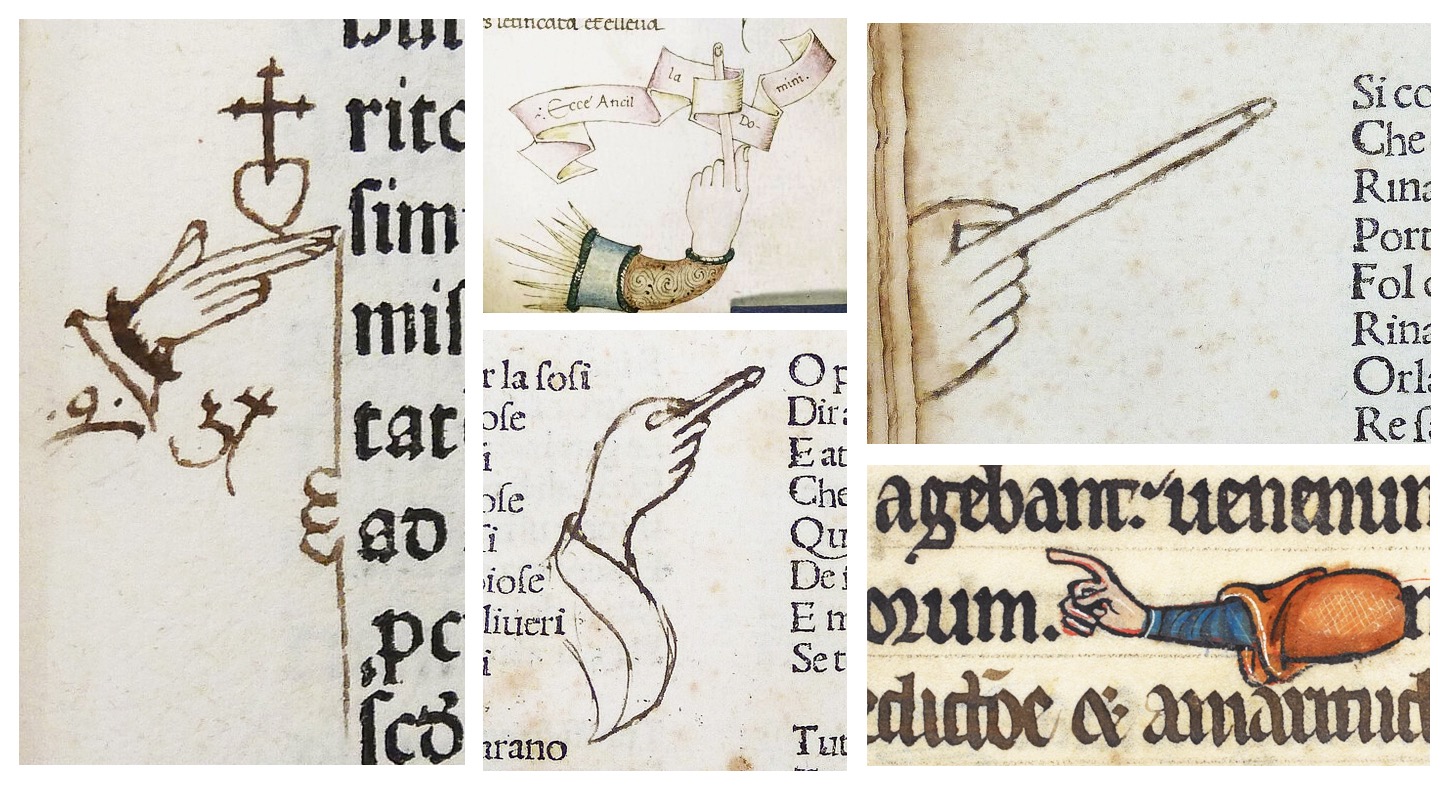
In her doctoral research, Reading Gestures: Exemplarity and Embodiment in Late Medieval and Early Modern English Texts, Dr. Ivanova explores how gesture - spoken, written, or performed - shaped meaning in literature long before our modern ideas of communication.
Through the works of Chaucer, Malory, Gower, and Shakespeare, she traces how “manner” and movement helped stories convey moral and emotional insight. A raised hand, a bow, or a turn of phrase could model courage, kindness, or respect. In this way, literature became not just something to read, but something to feel and learn from, ascertaining the freedom of the emerging Renaissance woman and man to leave their own creative imprint on tradition.
Dr. Ivanova’s study invites today’s educators to rediscover reading as an embodied, imaginative act. It suggests that when students explore how characters move, speak, or express emotion, they engage more deeply, with the text and with each other. Whether through performance, creative writing, or discussion, “reading gestures” opens a door to empathy, interpretation, and curiosity about how meaning travels through both words and the body.
This work reminds us that teaching literature is also teaching presence - how stories, gestures, and examples continue to shape the ways we understand ourselves and others.